Some foundations of how we work at Cala have remained fairly consistent, and we’ve always enjoyed refining the way we work. Part of that has been experimenting with new cameras, lenses, gadgets, AI and other technology as it becomes available.
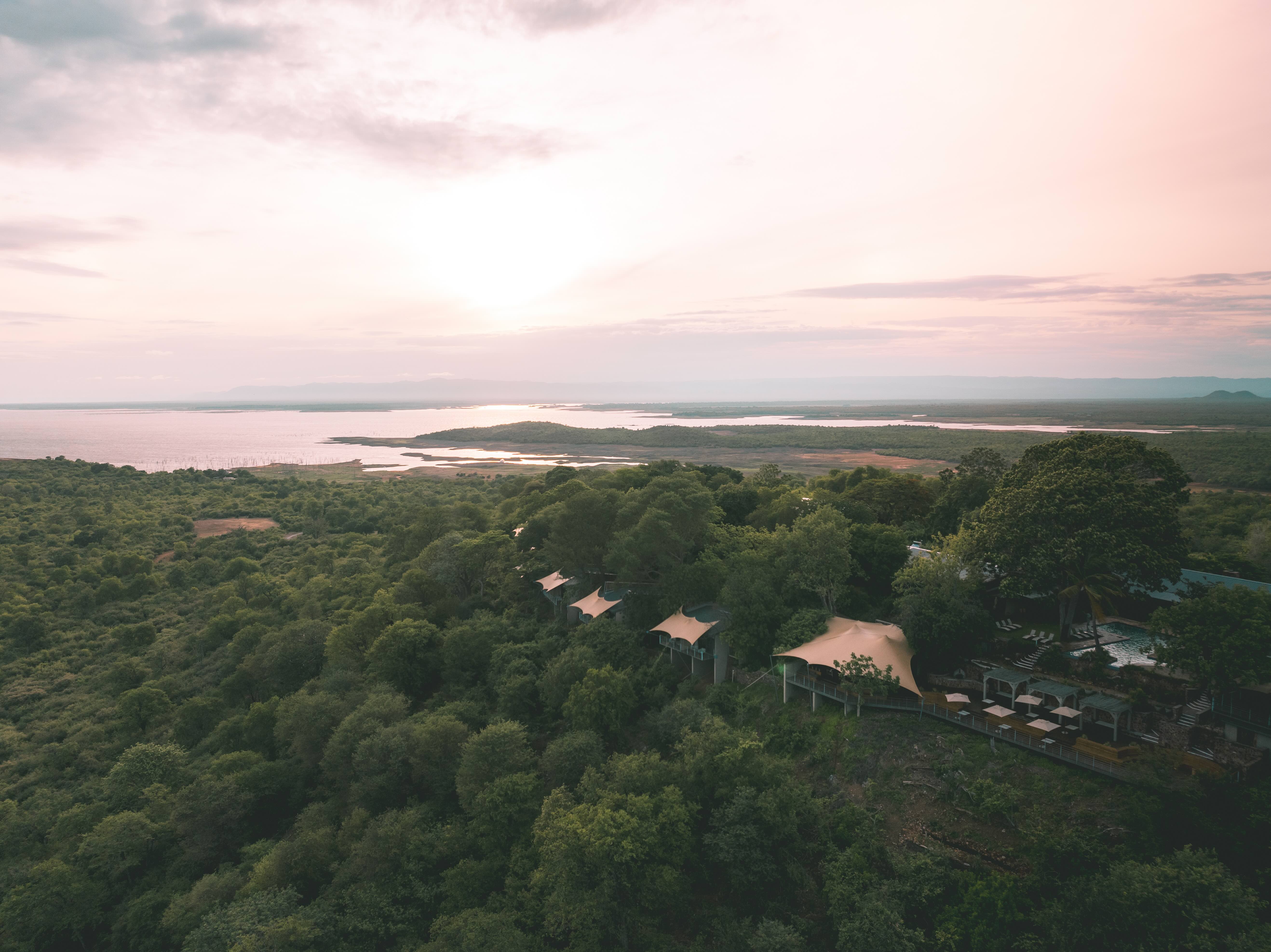
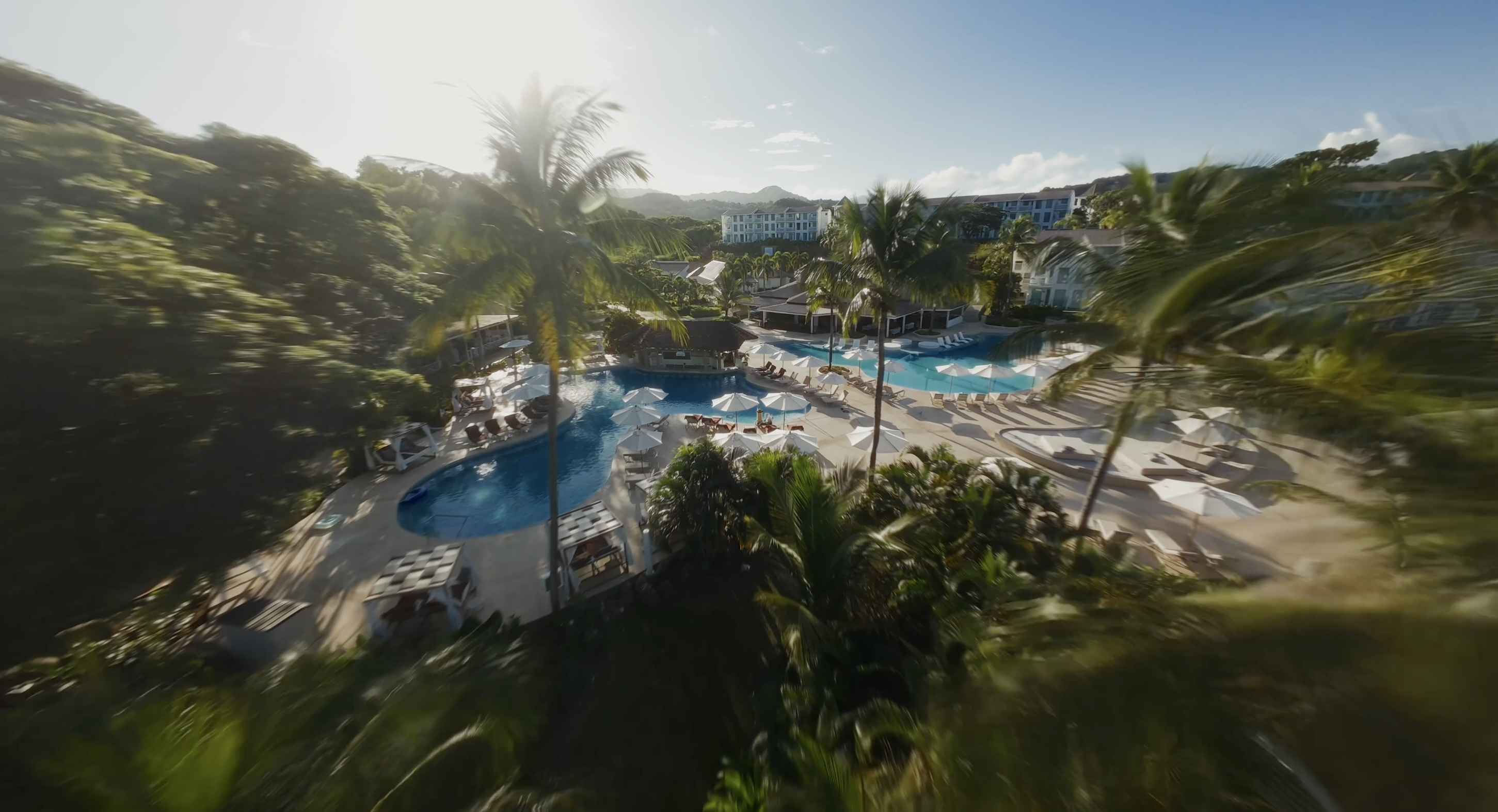
Over the years, new technology has perhaps offered different ways of seeing things. GoPros allowed cameras to go into places they might not have gone before. Drones offered another perspective on a destination. Then came FPV, offering another way of moving through and experiencing a place.
AI feels a little different.
A drone might provide a new way of capturing something that is already there. AI introduces the possibility of creating something that perhaps wasn’t there at all.
There’s something exciting about that, and maybe something slightly unsettling too. We’ve had plenty of conversations about what AI might mean for our work, and I don’t think we have any firm answers yet.
There seem to be ways it could make parts of production and post-production quicker, or allow us to explore ideas that might previously have been difficult to realise. We’re interested in those possibilities and are learning as we go.
At the same time, the more we experiment, the more we find ourselves thinking about what actually makes an image meaningful.
Perhaps it isn’t simply the ability to make a beautiful image, or to make one as quickly as possible. Maybe it has more to do with what we’re trying to communicate, and whether what we make feels connected to the people and places it represents.
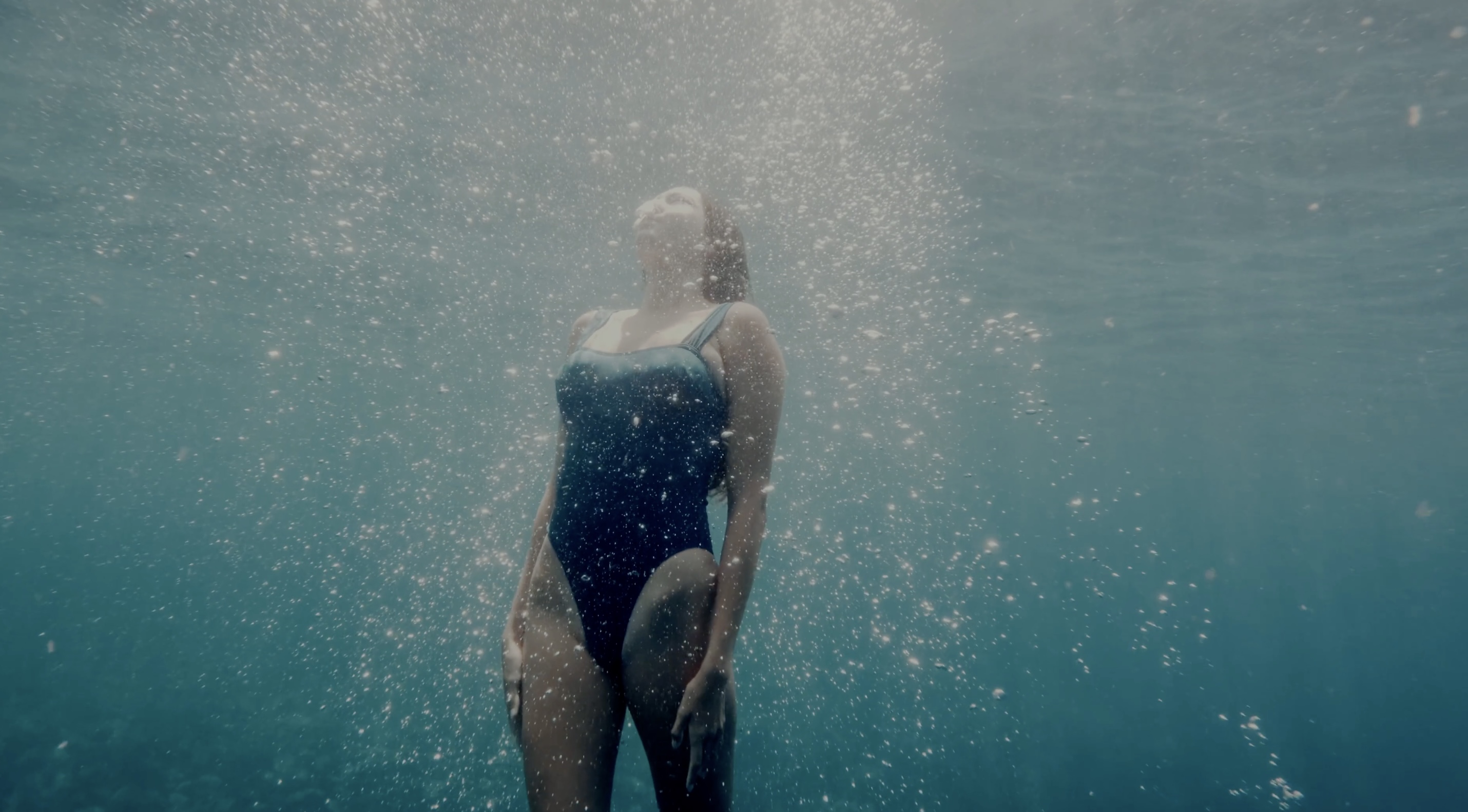
That’s where curiosity, spontaneity and understanding people still seem important to us. An image might be technically perfect and still somehow leave less room for connection.
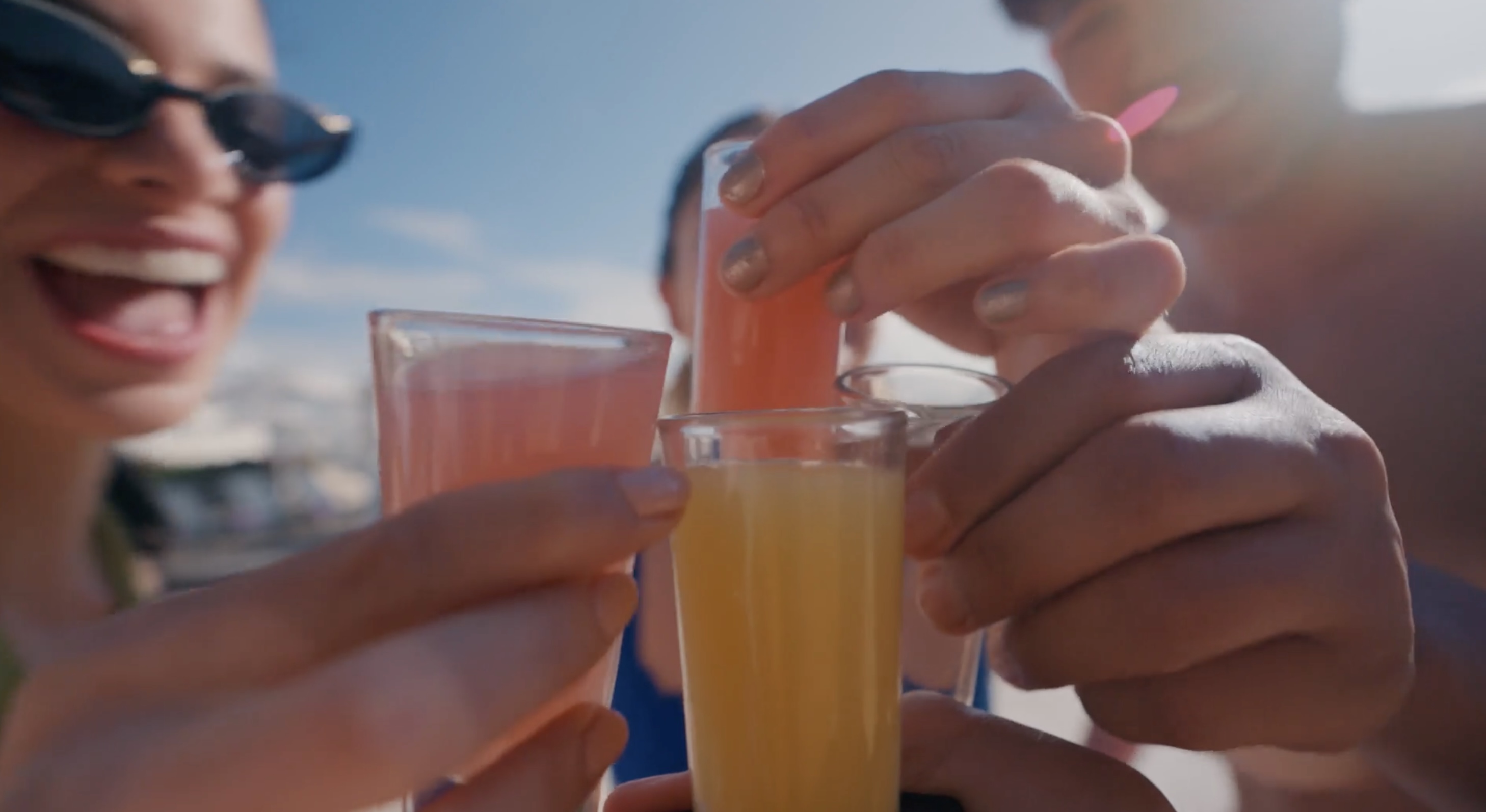
Perhaps that’s why, even as the technology changes, we continue to find ourselves drawn to much the same things: real people, real places, and the unexpected moments that can happen when you’re actually there.
See more stories
The Structure of the Storm
.jpg)