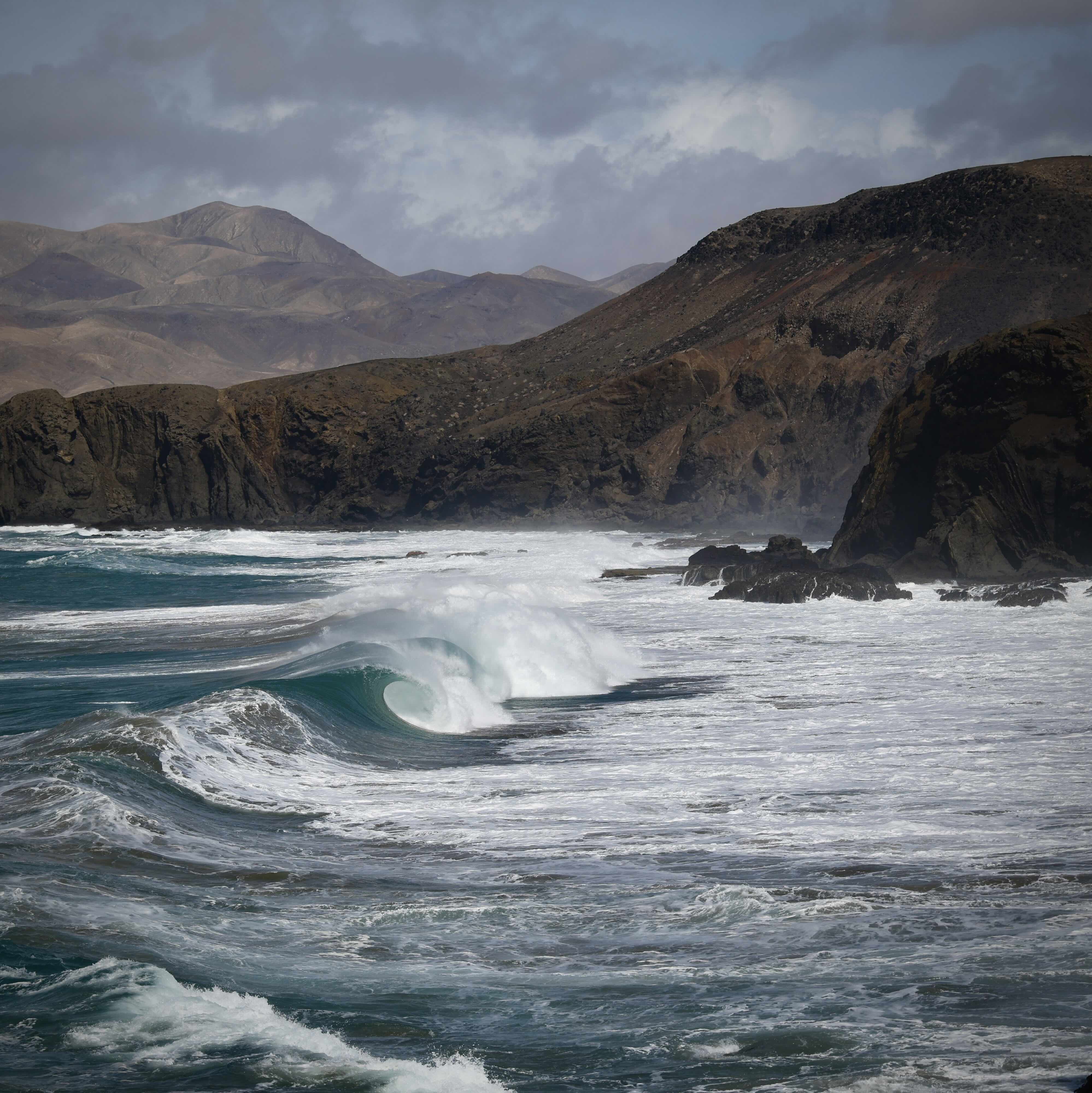

The Canary Islands are a collection of environments that change as you move from east to west. Documenting these spaces often means noticing how the air, the light, and the physical materials of the islands shift between one location and the next.
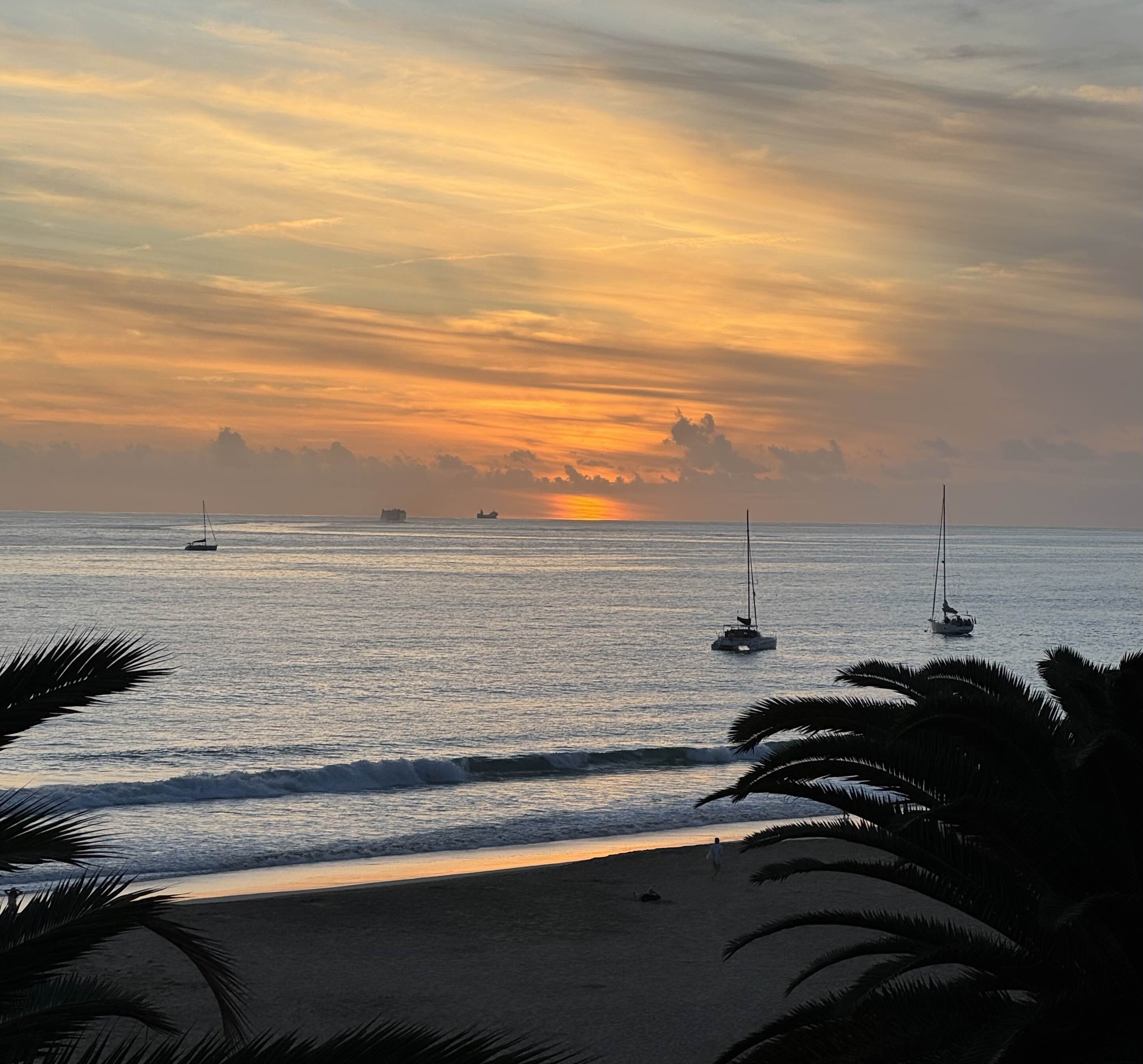
In Fuerteventura, the landscape is dominated by sand and wind. In the north, around Corralejo, the dunes are made of fine, pale sand that frequently blows across the coast road and settles in the low scrub. The hills in the center of the island are rounded and rust-colored, with very little vegetation to break the line of the horizon. During the day, the sun is high and the shadows are short, but in the late afternoon, the light catches the textures of the sand ripples and the weathered slopes of the volcanic cones.
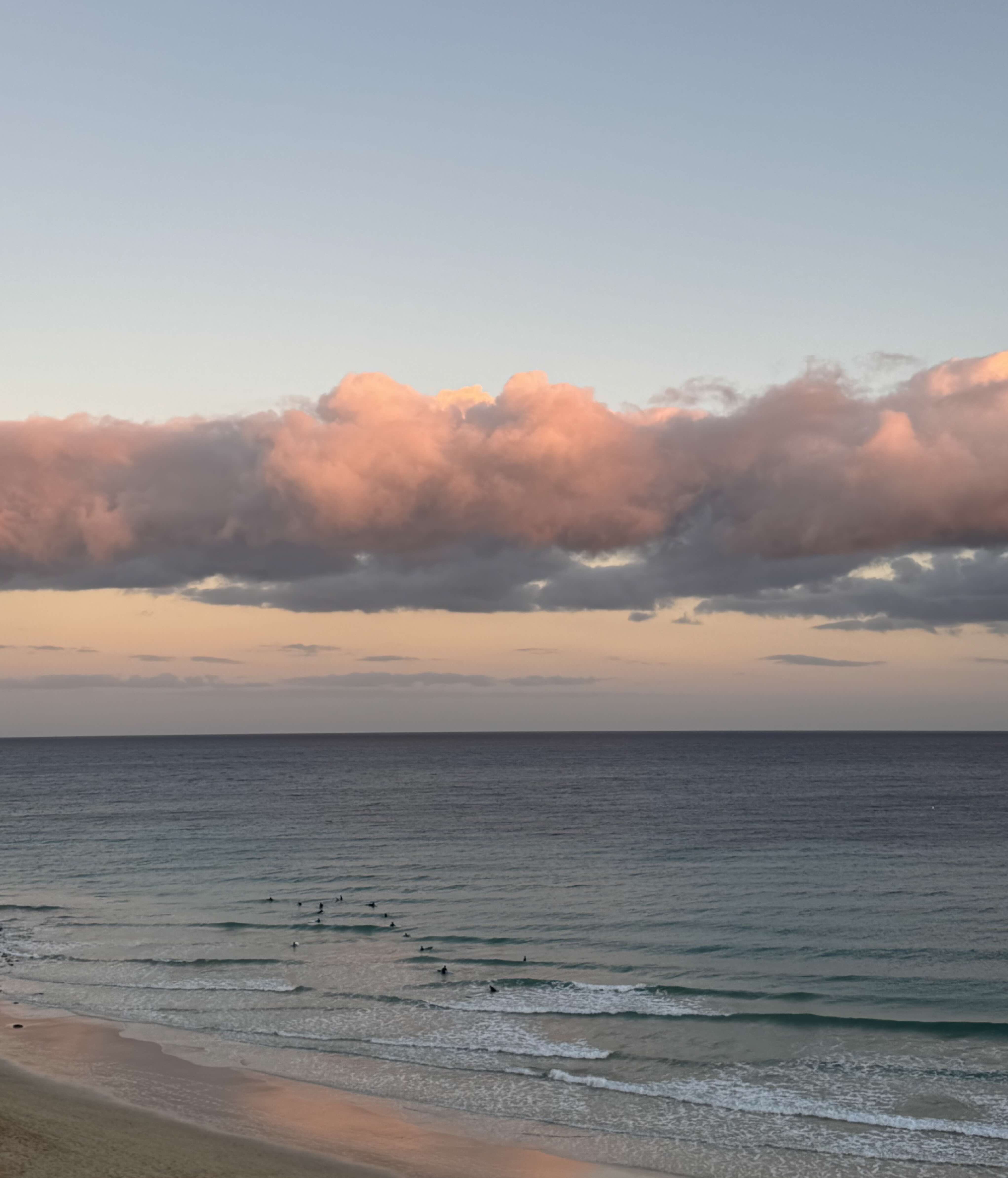
Moving to the north of Tenerife, the atmosphere is different. The air feels heavier with moisture, and the winds bring in clouds that sit against the Anaga mountains for much of the day. The terrain is vertical and the vegetation is dense-laurel forests, large ferns, and moss- covered stone. The light here is often diffused, even at midday, creating a softer contrast than on the eastern islands. The roads are narrow and winding, carved into the side of steep, green cliffs that drop directly into the Atlantic.
In La Palma, the landscape near the Aridane Valley is shaped by the recent volcanic activity. The new lava is a matte, porous black stone that sits in heavy, frozen flows across the land. At the edges of these flows, the contrast is very sharp: the bright, neon green needles of the Canary Island pines are already beginning to sprout from charred, black trunks. There is a specific stillness in these areas, where the dark earth absorbs the light and the sound of the wind is the only thing moving through the trees.
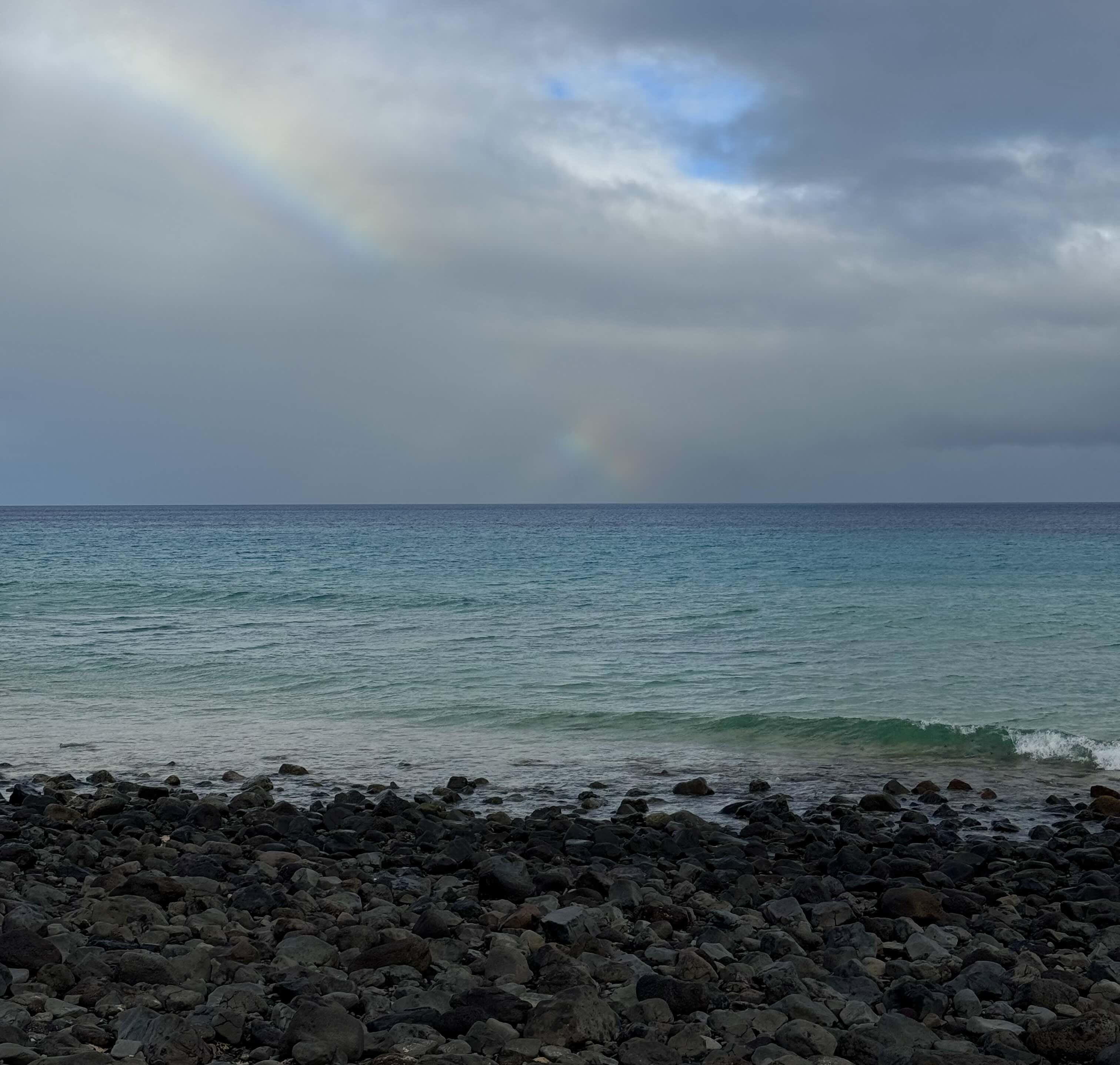
When documenting these islands, we try to look for these specific physical details. The way the light reflects off the white sand of Fuerteventura compared to the dark, absorbent dust of La Palma. Or the way the moisture in Northern Tenerife changes the depth of the greens in a photograph. Observing these elements directly helps to situate a project within its specific environment. The story of the archipelago is found in these textures- the sand, the mist, and the black stone—and how they contribute to the atmosphere of each island.
See more stories
The Benefits of a Nimble Production Team