For a destination like Tenerife, the narrative often changes depending on your altitude.While many encounters with the island begin at sea level - defined by the Atlantic and the dark, fine grain of volcanic sand - the landscape changes as you move upward. During our time working on the island, what stood out most wasn’t a single location, but the transition between them. Tenerife doesn’t sit on a horizontal plane; it is a series of vertical layers, each with its own specific atmosphere, light, and visual rhythm.
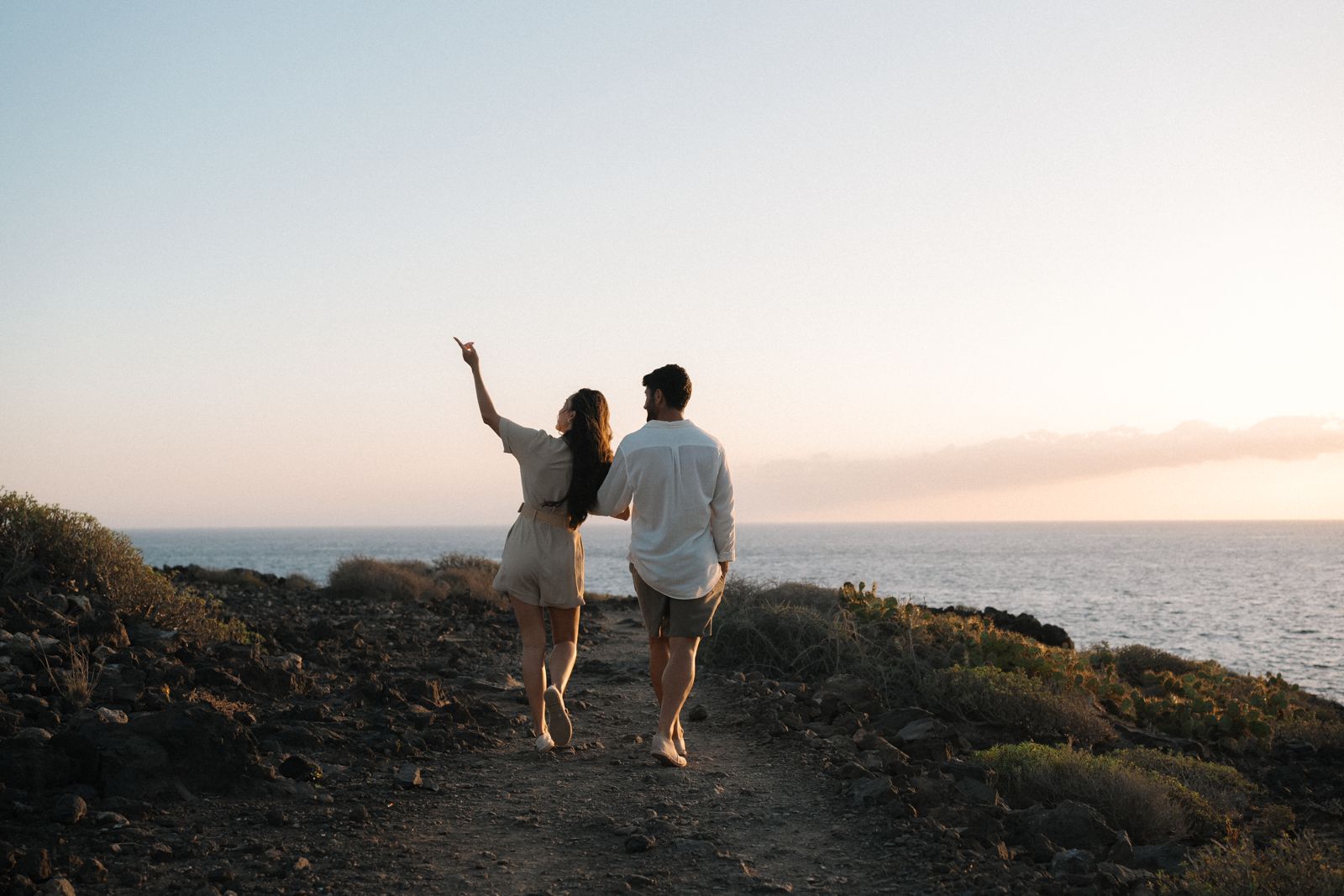
At the coastline, the environment feels physical and rhythmic. The basalt rocks are jagged and dark, providing a sharp contrast to the white spray of the ocean. There is a constant presence of salt in the air and a particular intensity to the sun reflecting off the water. But as you begin the drive toward the interior, the air cools and the textures soften.
Around halfway up the mountain, there is the corona forestal. Here, the pine trees are tall and slender, and the ground is covered in a thick, copper-colored carpet of needles. If you arrive at the right time, you find yourself within the mar de nubes - the sea of clouds. It is a quiet, diffused environment where the light is filtered and soft, and the world below the canopy feels momentarily suspended.
Moving higher still, the vegetation eventually falls away, replaced by the volcanic lunar landscape of the Teide National Park. At this altitude, the light changes again. It becomes thinner and more luminous. The colors shift into ochres, rusts, and pale yellows, and the scale of the craters makes the horizon feel immense. Standing among the ancient lava flows, the relationship between the island and its volcanic origin becomes very visible.
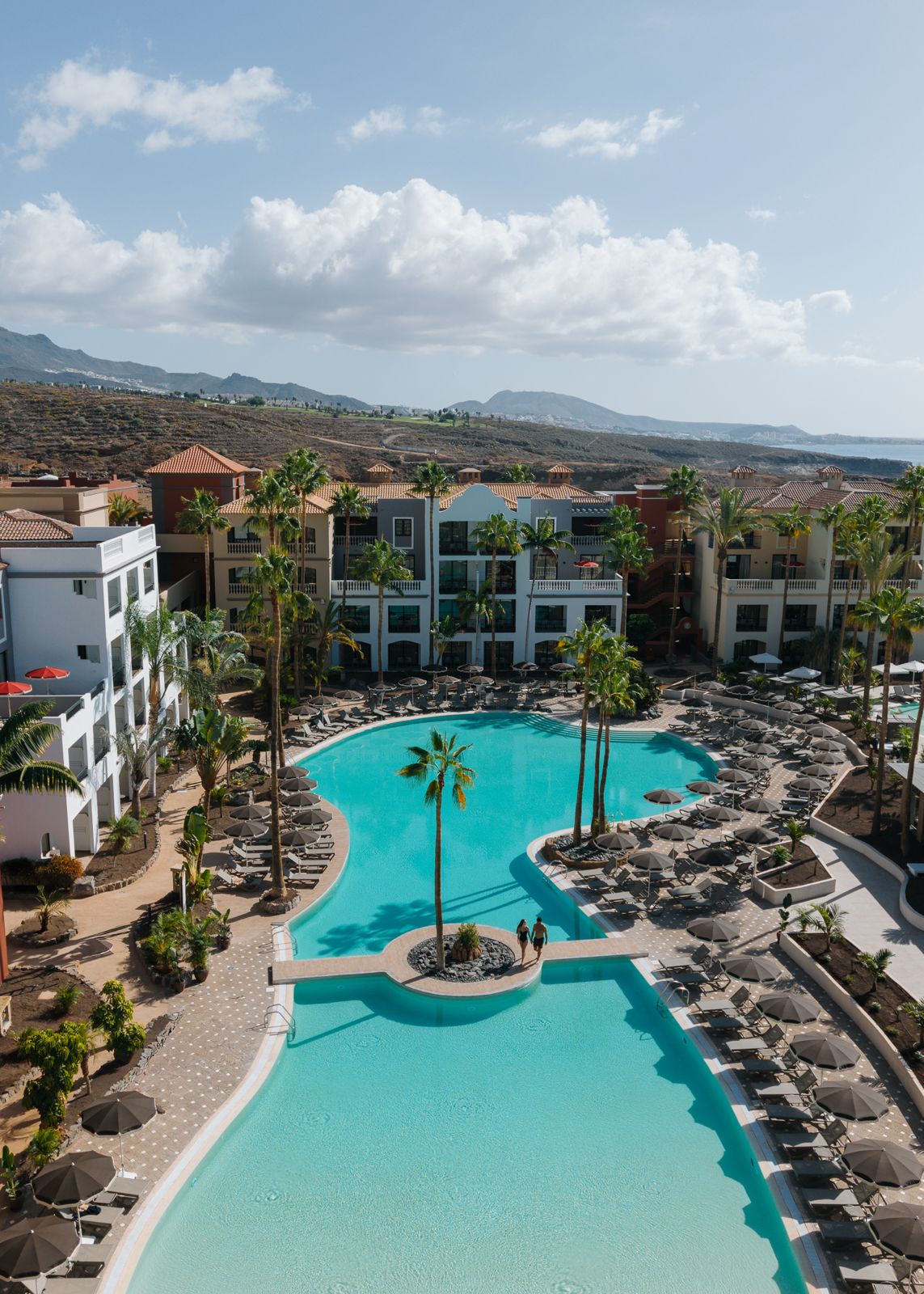
These shifts in environment offer a rare kind of narrative depth. Documenting Tenerife is about observing how a hotel or brand can exist across these different registers - from the contemporary, breezy hospitality of the coast to the silent, prehistoric textures of the high-altitude pine forests.
When we approach a destination like this, we focus on how these layers interact. We look for the way the mist clings to the bark of a tree in the morning, or how the sharp afternoon sun brings out the mineral textures of the volcanic rock. These details situating a property or an experience within the wider context of the island’s geography.
Tenerife continues to be a point of focus for those of us working in the hospitality landscape, not just for its climate, but for this inherent variety. It is an environment that requires a close eye to understand how the light and the landscape shift as you move from the sea toward the peak. The story of the island isn't found in one place; it unfolds as you climb, shaped by the changing air and the different ways the sun meets the earth at every thousand meters.
See more stories
The Benefits of a Nimble Production Team