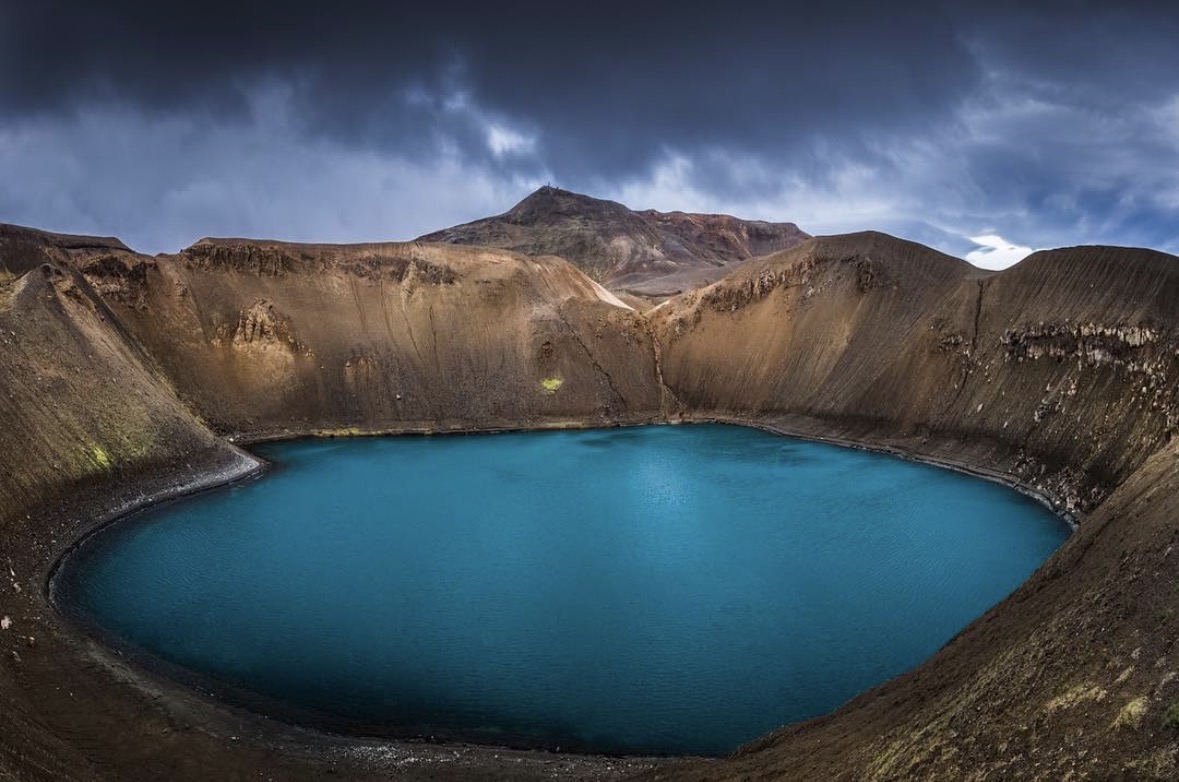

In Iceland, the scale of the environment is the first thing that catches the eye. The horizons are wide, and the transitions between different terrains are often immediate. However, when documenting this landscape, the challenge is often to look past the immense scale and notice the specific physical details that create the atmosphere of a place.
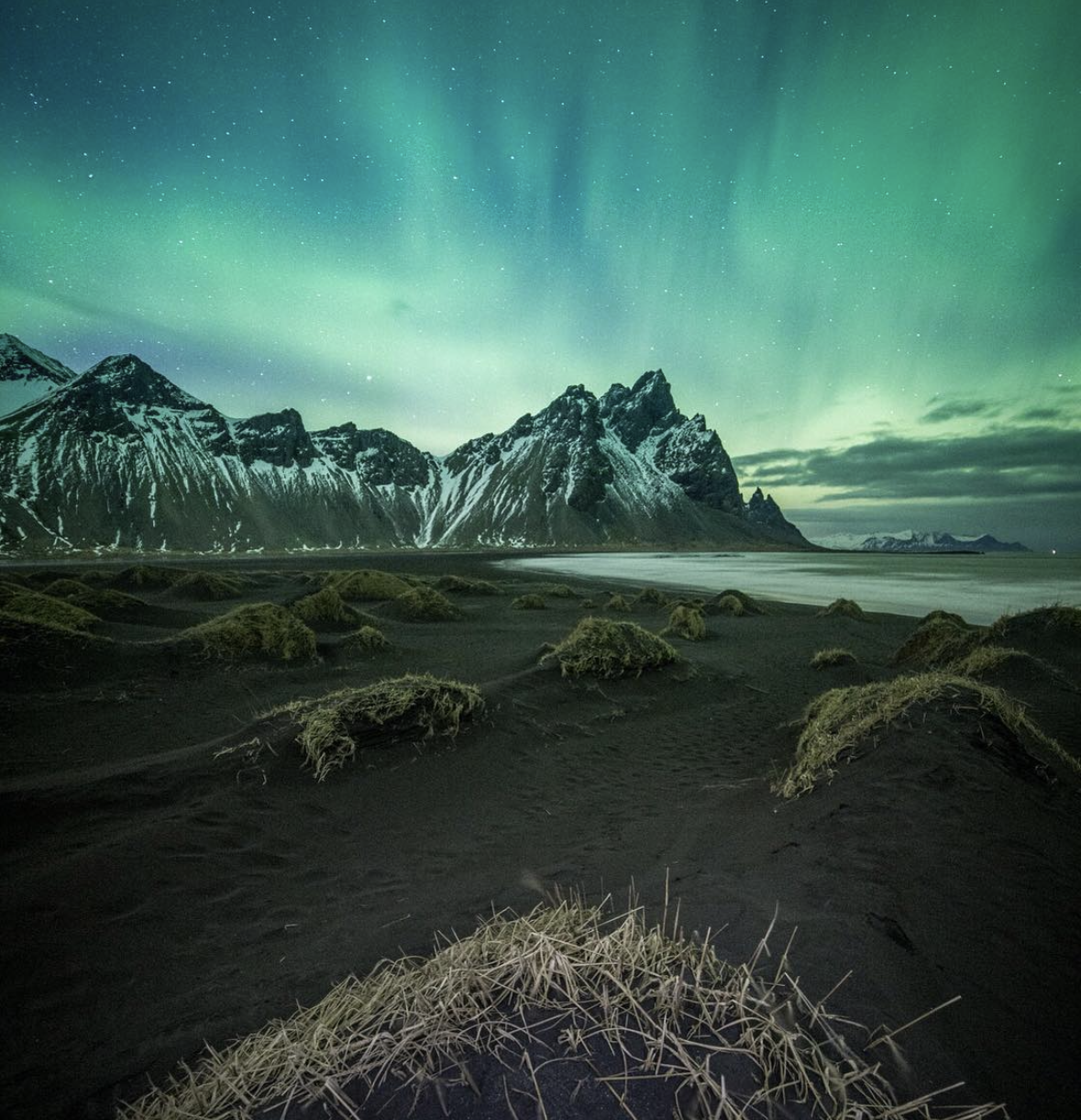
On the South Coast, the landscape is dominated by the relationship between the glaciers and the ocean. Along the black sand beaches of Vik, the sand is made of fine, crushed basalt that feels heavy and stays damp from the constant mist of the Atlantic. The sea foam against the dark sand creates a sharp, monochromatic contrast. Moving just a few kilometers inland, the terrain changes into the Eldhraun lava field. Here, the jagged, sharp volcanic rock is completely covered by a thick layer of woolly fringe moss. The moss isa muted, pale green that cushions the ground, absorbing both the light and the sound of the wind, creating a quiet, soft environment within a vast space.
In the Highlands of the interior, the environment is defined by its exposure. The earth is dry, made of rust-colored rhyolite mountains and pale, dusty pumice. There are no trees to break the wind or soften the light. During the summer months, the sun stays low on the horizon for hours, casting long, soft shadows across the valleys. The thermal rivers that cut through the valleys are a distinct pale turquoise, colored by the minerals in the water, with plumes of white steam rising steadily against the dark hills.
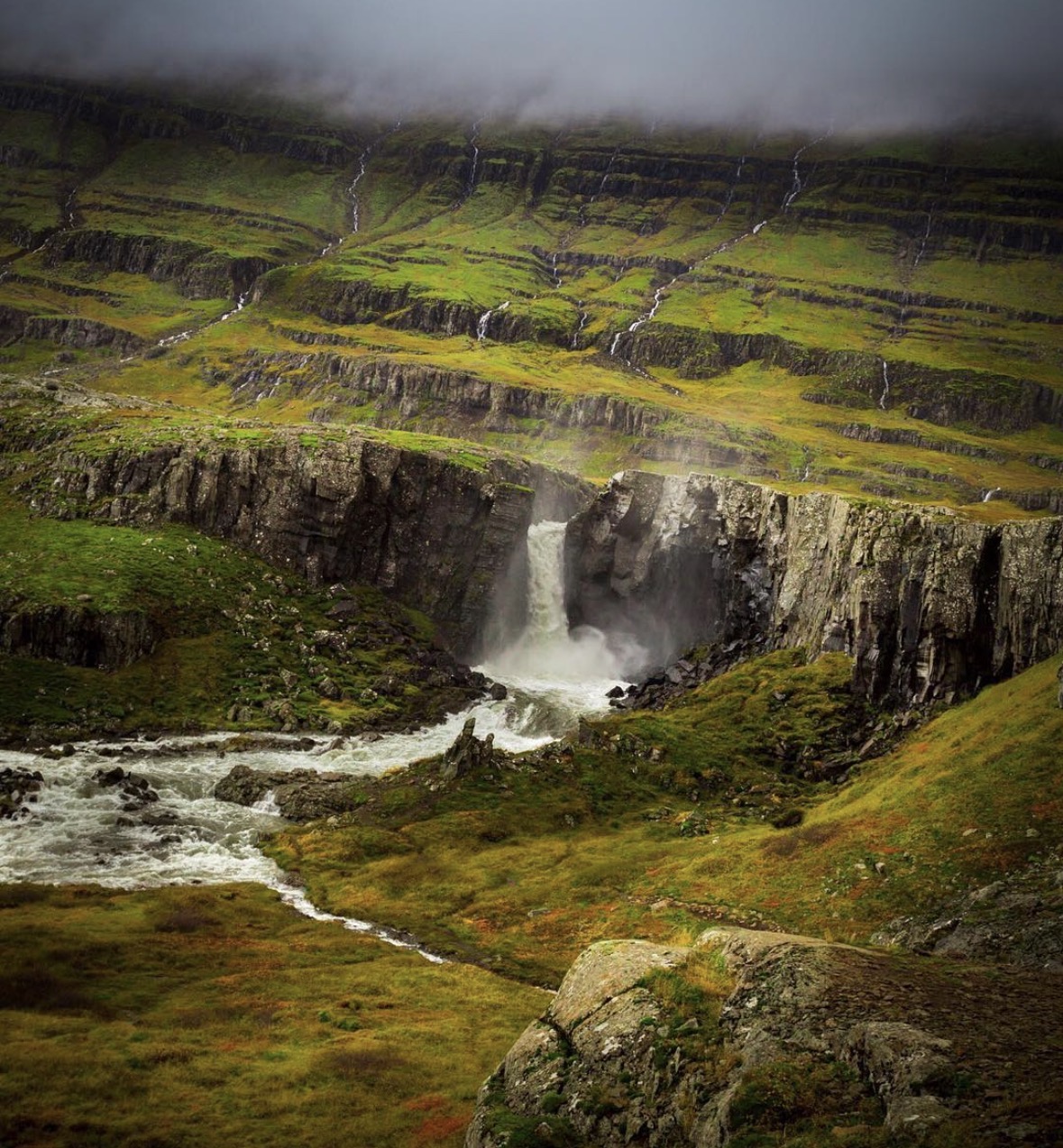
Further north, in the Westfjords, the landscape becomes more enclosed. The fjords are narrow, with steep, flat-topped basalt mountains rising directly from the water. The light here is different; because the mountains are so steep, many valleys spend the winter in deep shade, while in the summer, the low sun skims across the surface of the water, highlighting the deep blues and greys of the sea. The architecture here is often shaped by this isolation - weathered timber buildings and corrugated iron that have been softened by the salt air and the cold.
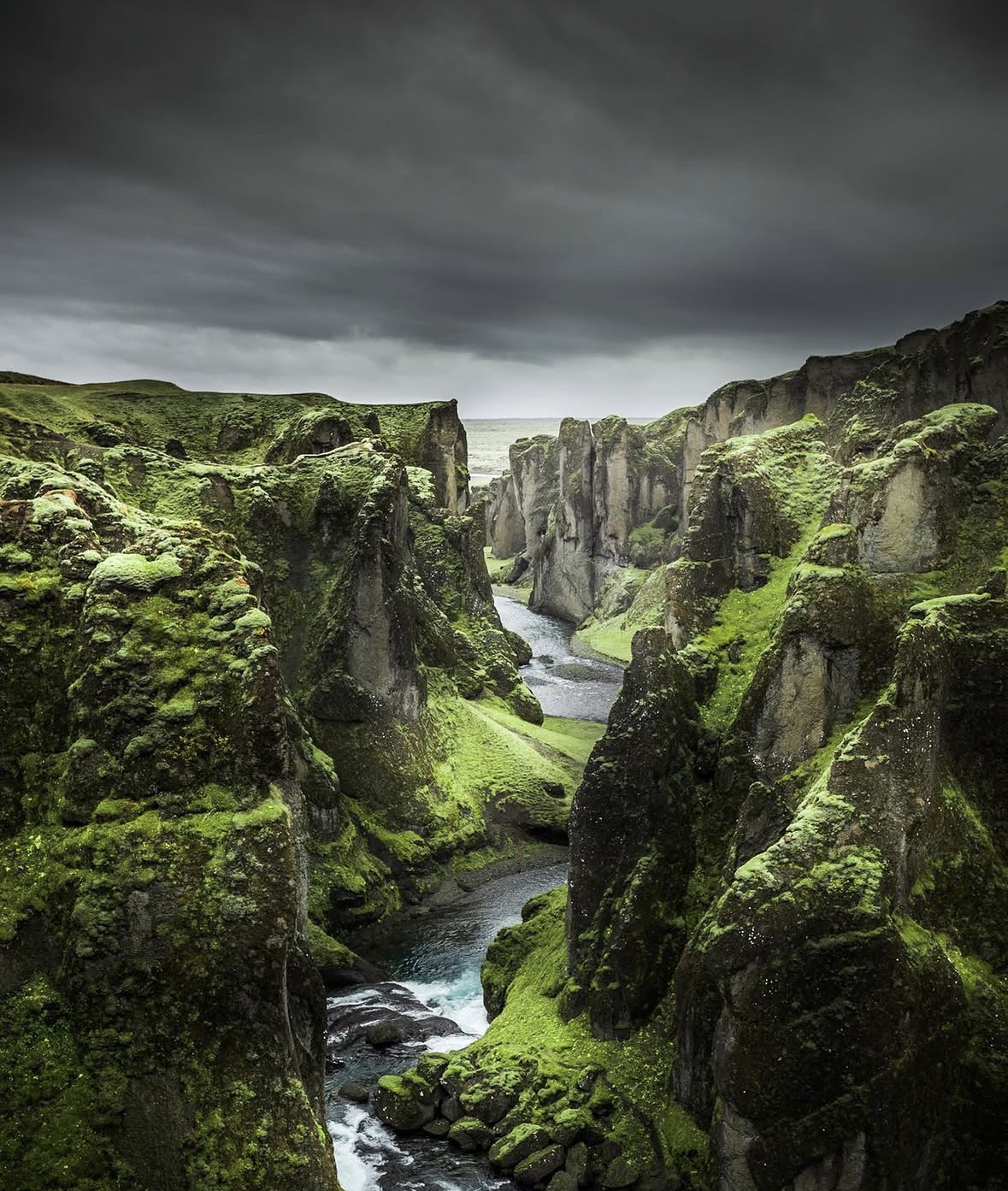
When we approach a destination like Iceland for a hotel or a tourism project, we try to capture both the macro and the micro. It is easy to photograph a vast glacier, but the atmosphere of the place is often found in the smaller observations: the condensation on the window of a geothermal lodge, the texture of the wet basalt, or the way the evening sun hits the pale green moss.
Focusing on these immediate details grounds a project. It moves the visual story away from a generic postcard and situates it within the specific, physical reality of the environment.
See more stories
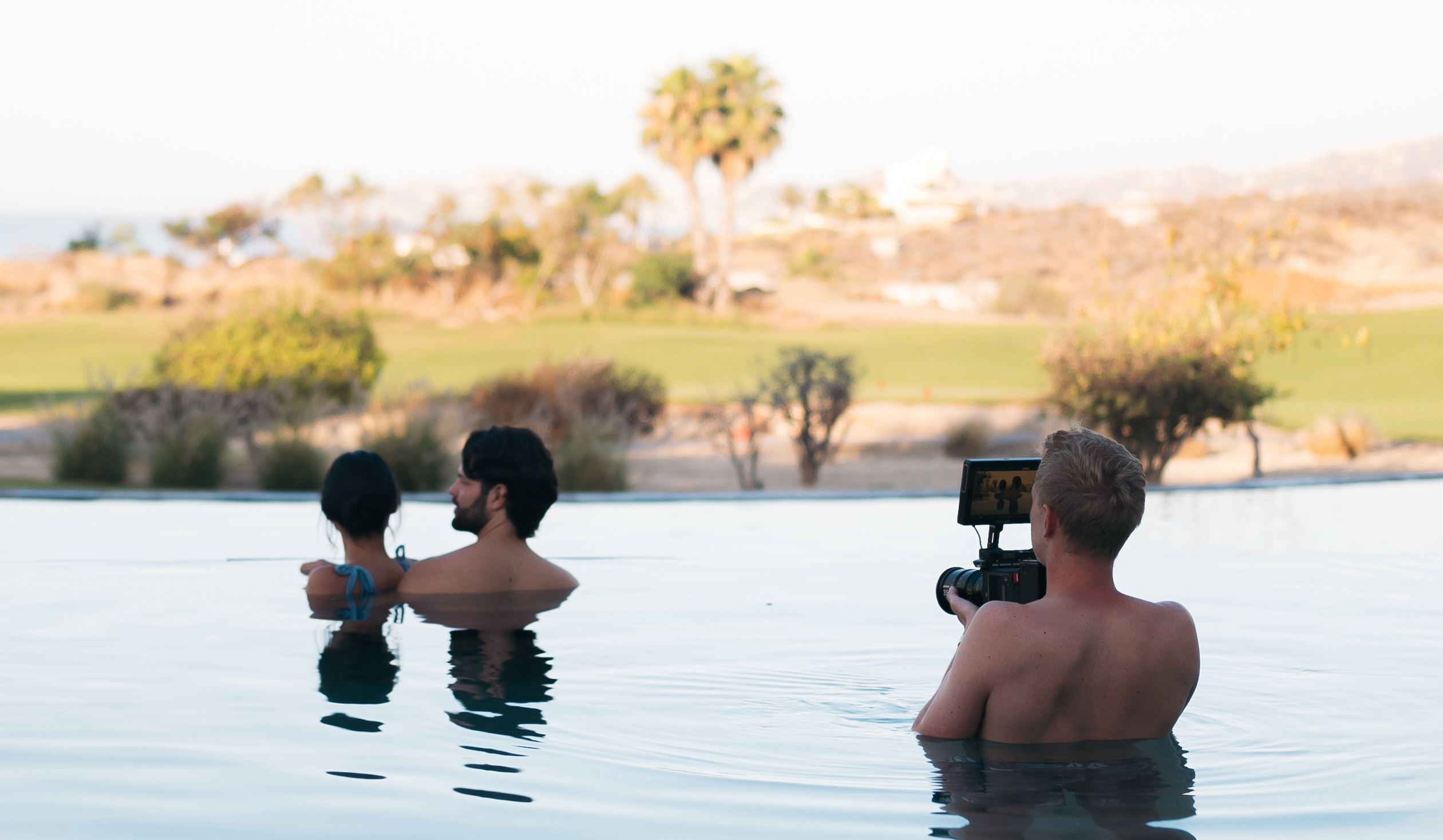
The Benefits of a Nimble Production Team