
Tulum is often encountered first through its coastline, that singular stretch of turquoise water and white sand that tends to frame every initial impression. However, for those of us who have spent time documenting the region or working within its hospitality landscape, that perspective eventually begins to shift. One realizes that Tulum’s identity isn’t defined by the beach alone, but by a series of over lapping layers -historical, geographical, and contemporary - that sit closely together and gradually come to shape the experience of being there.
Moving a little further inland, the atmosphere changes almost immediately. The road narrows, the vegetation thickens, and the landscape becomes quieter in a different way. At the center of this environment sits the Tulum Archaeological Zone, a Maya site positioned on limestone cliffs directly above the sea. Unlike the vast inland ruins scattered across the Yucatán Peninsula, Tulum was once a coastal port city, and it remains one of the few places where ancient structures meet the ocean directly. During our time filming in the area, the physical contrast of the site was difficult to miss: the heavy, grounded blocks of pale limestone against the constant, luminous movement of the Caribbean just beyond the cliffs.
From a creative perspective, places like this often reveal themselves through smaller observations rather than wide statements. There is a specific visual rhythm in the way the wind moves through the palm trees and across the open stone platforms. You notice the texture of the stone where centuries of weather have softened the edges, and the way the jungle presses gently around the structures. The light changes the site throughout the day as well; early morning softens the stone with long shadows, while by midday, the contrast becomes sharper, making the greens of the vegetation deepen and the sea behind the ruins appear almost radiant.
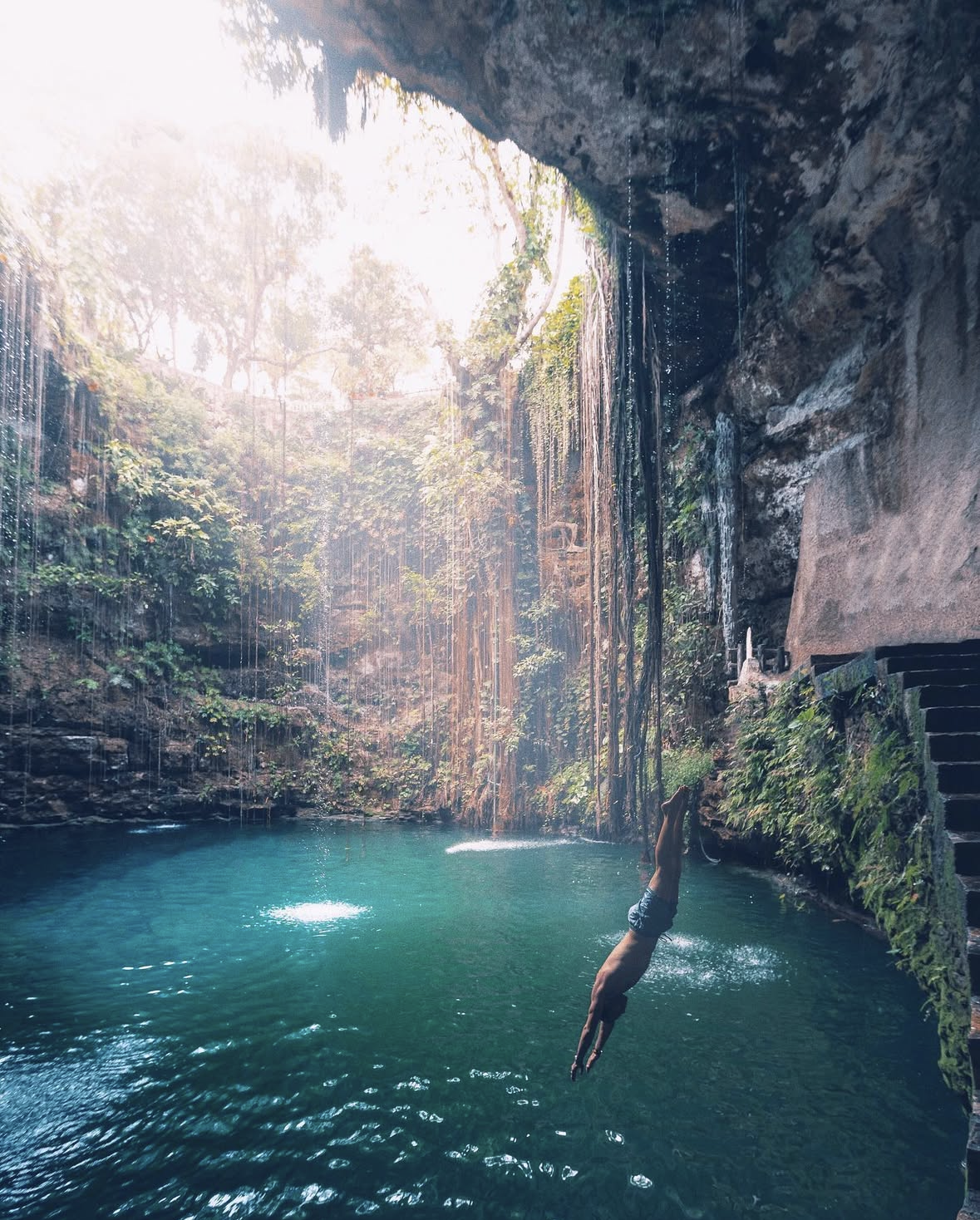
For many visitors staying in the contemporary hotel zone, these ruins sit only a short drive away, yet the transition between the modern hospitality landscape and an environment shaped by much older architecture feels quite immediate. As destinations grow, recognizable landmarks like these often become anchors for broader tourism ecosystems. In Tulum’s case, the archaeological zone plays a vital role, currently ranking as the third most visited cultural site in Mexico. This popularity reinforces how heritage sites function not only as cultural landmarks but also as drivers of regional tourism, even as it introduces necessary conversations around preservation and the pressure placed on surrounding ecosystems like the nearby Sian Ka’an Biosphere Reserve.
When documenting destinations for hotels or tourism boards, environments like the Tulum ruins offer a vital layer of context. Rather than focusing only on the beachfront or a single property in isolation, there is an opportunity to show the landscapes that sit nearby. Capturing this environment means paying attention to how these elements interact: the relationship between the ancient walls and the water, the scale of the buildings against the coastline, and the way light moves through the trees.
Tulum continues to evolve through infrastructure projects and environmental initiatives, but the underlying appeal remains consistent. It is a place where architecture, nature, and history exist within close proximity. Spending time here becomes less about a single viewpoint and more about noticing how the stone, the vegetation, and the sea all contribute quietly to the atmosphere. For those working in hospitality, observing these environments closely offers insight into how a destination communicates itself over time. In Tulum, the story is rarely limited to a single location; it unfolds across landscapes and histories, shaped by the way they are experienced by those who visit.
See more stories

The Benefits of a Nimble Production Team